

Key Takeaways
- Heat control starts with parking habits, window coverage, clean surfaces, and a healthy air-conditioning system.
- Window film can help reduce glare, solar heat, and UV exposure, but Texas requirements matter.
- Routine interior and exterior care helps limit fading, stains, dust buildup, and surface wear.
- Paint protection, coatings, and useful accessories can support long-term comfort without overcomplicating the vehicle.
- The best upgrade order starts with maintenance and real daily needs, not appearance alone.
In Buda, Texas, a vehicle can spend hours facing bright sun in a driveway, office lot, school pickup line, or shopping center parking space. Keeping it comfortable takes more than turning the air conditioning up. Smart parking habits, regular cleaning, protective products, and upgrades such as ceramic coating for cars in Buda, TX can help drivers manage the heat, dust, glare, and wear that build up through a Central Texas summer.
The goal is not to add every available accessory. A practical Buda vehicle plan focuses first on safety, cabin comfort, and the protection of materials that face daily sun exposure. Whether the car is used for a commute into Austin, family trips around Hays County, or weekend drives through the Hill Country, small choices can make every trip more pleasant.
Why Buda Heat Is Hard on Vehicles
Summer sun can quickly heat up glass, steering wheels, seat belts, dashboards, and dark upholstery. Repeated heat cycles may dry leather, fade plastics, weaken trim adhesives, and make sunscreen residue or food spills harder to remove. A car left near Main Street or at a job site all afternoon may still feel stifling after the air conditioner starts running, especially if the seats and interior panels have retained heat.
Start With a Simple Heat-Control Plan
Before investing in upgrades, build a routine that reduces heat at the source. These habits are inexpensive, effective, and useful for nearly every vehicle.
- Choose a shade, covered parking, or a garage whenever available.
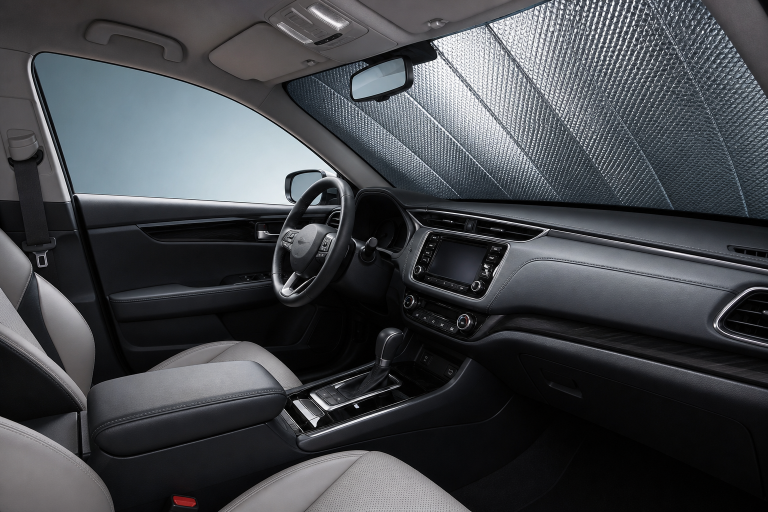
- Place a reflective sunshade across the windshield before leaving the vehicle.
- Open the doors briefly or lower windows slightly to release trapped heat before driving.
- Cover dark seats and keep the dashboard clear of items that can become dangerously hot.
- Replace a dirty cabin air filter and promptly address weak air-conditioning performance.
What Window Film Can and Cannot Do
For drivers searching for automotive ceramic coating near me, it is also worth considering how window film fits into an overall heat-management plan. Film can reduce glare and help limit solar energy entering the cabin, while some higher-performance films are designed to reject more infrared heat. However, darker glass does not automatically mean stronger heat rejection, and film cannot replace proper air conditioning, shade, or a windshield sunshade.
Visible light transmission, often called VLT, describes how much visible light passes through the glass and film together. A lighter-looking film can still offer meaningful heat and UV control. Factory privacy glass differs from aftermarket film because it may darken the rear glass without delivering the same level of solar performance.
Check Texas Tint Requirements Before Installation
Texas rules distinguish between the windshield, front side windows, rear side windows, and rear glass. The Texas window tinting standards state that front-side windows must meet light-transmission and reflectivity limits, while windshield coverage has separate placement restrictions. Ask for the measured rating of the completed glass-and-film combination, not just the film’s advertised percentage. Keep the installer paperwork in the vehicle, and confirm that the selected film will suit your vehicle configuration before installation.
Protect People and Interior Materials From UV Exposure
UV exposure matters on regular drives, particularly during long commutes and afternoon trips when sunlight reaches the driver or passengers from the side. The UV window film guidance for vehicle occupants notes that side, rear, and sunroof glass may offer different protection than a laminated windshield. Film may support a broader sun-protection routine, but sunglasses, sunscreen, protective clothing, and shade still have a role.
The same approach helps protect the cabin. UV-safe film, sunshades, and interior protectants can reduce fading on dashboards, brittle trim, and worn seat surfaces. Cleaners should match the material, whether it is leather, cloth, vinyl, plastic, or synthetic upholstery.
Keep the Interior Cleaner for Longer
Buda roads, active weekends, pets, kids, and summer activities can bring dust, grass, sweat, and drink spills into the cabin. Vacuum floor mats, seat gaps, and cargo areas weekly. Use a clean microfiber towel for screens and glossy trim, and wipe spills quickly before heat bakes them into fabric or plastic. Avoid leaving food, wet towels, gym gear, or trash in a sealed vehicle, where odors can worsen. Still, they
Simple Surface Care Checklist
- Leather: Vacuum seams, use a gentle cleaner, and apply a non-greasy conditioner as needed.
- Cloth: Blot spills rather than scrubbing them deeper, then allow the area to dry completely.
- Plastic and vinyl: Use a low-shine protectant to avoid windshield glare and dust attraction.
- Screens: Use a soft, dry or lightly damp microfiber towel, never harsh household glass cleaner.
Guard the Exterior From Sun and Road Wear
Highway miles, gravel, insects, bird droppings, tree sap, and hard Central Texas water can all affect paint. Paint protection film is useful on high-impact areas such as the front bumper, hood edge, mirrors, and door cups. Ceramic coatings can make routine washing easier and help keep contaminants from bonding as stubbornly to the finish, but they do not eliminate the need to wash, dry, and park carefully.
Wash the vehicle when the paint is cool, not after it has been baking in the sun. Remove bug residue and bird droppings promptly, since heat can make them more difficult to remove safely.
Choose Comfort-Focused Wheels, Accessories, Audio, and Lighting
Check tire pressure when tires are cold, because hot pavement and temperature swings can affect pressure readings and driving feel. Choose wheels and tires suited to daily road conditions rather than prioritizing oversized wheels or ultra-low-profile tires, which may reduce ride comfort.
Useful upgrades include cargo organizers, secure phone mounts, fitted sunshades, and seat-back storage. Audio and interior lighting upgrades should improve clarity and visibility without creating distractions, glare, obstructed sightlines, or interference with airbags, cameras, or sensors. Electrical accessories should be properly wired and tested before the vehicle returns to the road.
Use a Sensible Upgrade Order
- Resolve maintenance concerns, including air conditioning, tires, and cabin filters.
- Add shade strategies and a quality windshield sunshade.
- Select legal window film based on heat, glare, and UV needs.
- Protect high-touch interior materials and clean them consistently.
- Add paint protection or a coating where the sun and road debris cause the most wear.
- Finish with convenience, audio, lighting, or style upgrades that fit daily use.
Conclusion
A cooler, cleaner Buda vehicle starts with realistic habits and targeted protection. Shade, maintenance, legal film, clean interior surfaces, and thoughtful exterior care can make a meaningful difference during Texas heat. From there, drivers can choose upgrades that match how and where they travel, creating a vehicle that is more comfortable, easier to maintain, and better suited to the demands of Central Texas roads.


