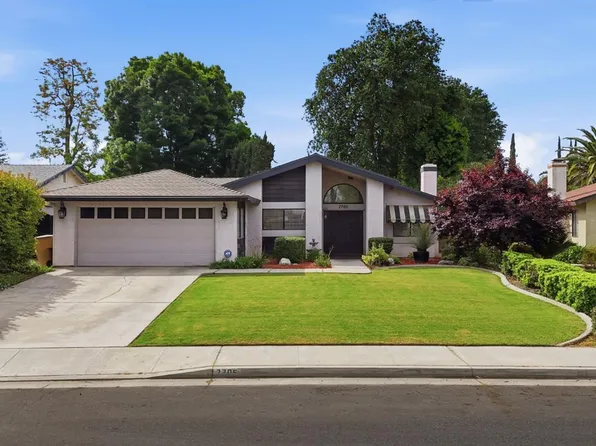
Create a stunning, drought-resistant landscape that thrives even in the driest climates while incorporating the beauty and practicality of indoor vertical gardens. Learn how to design an eco-friendly, water-wise outdoor space that complements your home’s interior with lush, living walls.

Creating a thriving, drought-resistant landscape doesn’t mean sacrificing beauty or ecological responsibility. By embracing native plants and smart design choices, you can create a stunning outdoor space that requires minimal water while supporting local ecosystems. This approach is even more impactful when combined with the aesthetic and practical benefits of indoor greenery.
Key Takeaways:
- This article explores the design of drought-resistant landscapes using native plants, minimizing water consumption, and maximizing ecological benefit.
- It highlights the integration of Vertical Gardens (Indoor) to bring the vibrancy of nature indoors, even in arid climates.
- The article provides practical tips and ideas for creating a cohesive, sustainable outdoor and indoor environment.
- It emphasizes the importance of choosing appropriate native plants suited to your specific climate and soil conditions.
Native Plants: The Heart of Drought-Resistant Design
Choosing native plants is fundamental to creating a low-maintenance, drought-tolerant landscape. These plants are naturally adapted to your region’s climate, soil type, and rainfall patterns, reducing the need for supplemental watering. They also support local wildlife, creating a biodiverse and healthy ecosystem in your yard. Research your specific region to identify plants that thrive in your local conditions. Consider factors like sun exposure, soil drainage, and average rainfall when making your selections. Local nurseries and botanical gardens are excellent resources for this information. Remember to select a variety of plants to create visual interest and provide habitat for pollinators and other beneficial insects.
Water-Wise Landscaping Techniques for a Sustainable Oasis
Beyond plant selection, effective water management is crucial for a successful drought-resistant landscape. Mulching helps retain soil moisture, suppressing weeds and reducing evaporation. Drip irrigation systems deliver water directly to plant roots, minimizing waste compared to traditional sprinkler systems. Proper soil preparation ensures efficient water absorption. Consider adding compost or other organic matter to improve soil structure and water retention. Regular pruning and deadheading keep plants healthy and prevent excessive water consumption. Observe your plants carefully; their needs may vary throughout the year.
Integrating Vertical Gardens (Indoor): Bringing Nature Inside
The beauty of native, drought-resistant landscaping extends beyond your outdoor space. Vertical Gardens (Indoor) provide a fantastic opportunity to create a living, green space indoors, complementing your eco-conscious outdoor design. These vertical gardens offer aesthetic appeal, purifying the air, and adding a sense of calm to your living spaces. They can be easily incorporated into almost any home design, from small apartments to expansive houses. Choosing low-maintenance, drought-tolerant plants for your indoor vertical garden ensures it requires minimal upkeep.
Creating a Cohesive Outdoor and Indoor Ecosystem
A successful eco-design strategy connects the outdoor and indoor environments. Using similar plant species, colors, or textures in both spaces creates a seamless flow and visual harmony. For instance, if you use succulents in your outdoor drought-resistant landscaping, you can incorporate similar plants into your Vertical Gardens (Indoor). This unified approach reinforces the sustainability theme and creates a relaxing, restorative environment throughout your home. Remember that consistency in design elements, like the use of natural materials such as wood or stone, will further enhance this connection between indoor and outdoor spaces. Us using this approach makes our homes aesthetically pleasing and environmentally responsible. By Vertical Gardens (Indoor)