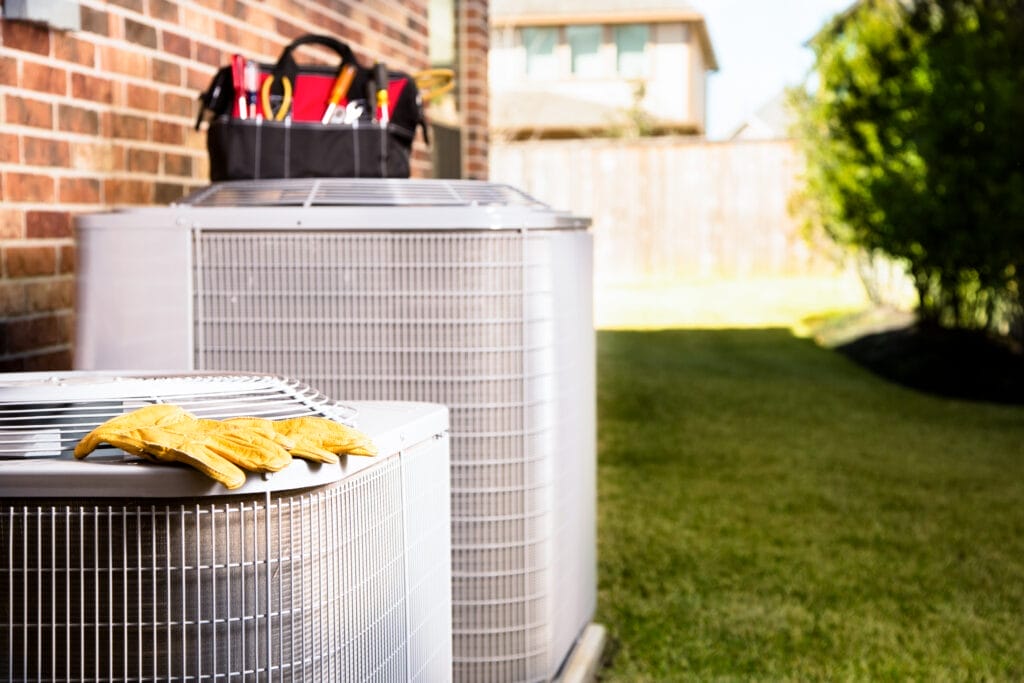
Heat-filled days often test an air conditioner’s strength, and equipment under pressure gives off early signs long before a full breakdown occurs. People often hesitate to turn their system off, unsure if doing so helps or harms the situation. The right choice depends on what symptoms the equipment is showing and how much stress it can safely handle until AC service in Nashville, TN arrives.
Preventing Further Strain When the System Is Already Overheating
An overheating AC unit signals that the internal components are working harder than they should. The cabinet may feel unusually warm, or the outdoor fan may run louder than usual. Systems used heavily during hot stretches in HVAC Nashville TN regions face this stress more often, making early shutoff a protective step.
A unit left to run while overheated can start cycling irregularly, drawing in more energy and compounding the strain. HVAC repair near me calls often increase during these conditions because small issues escalate quickly. Turning the system off until a technician arrives reduces heat buildup inside the motor and prevents deeper internal damage.
Avoiding Compressor Damage During Severe Airflow Issues
Restricted airflow is one of the leading causes of compressor failure. Whether it stems from a clogged filter, blocked return vent, or debris around the outdoor unit, the compressor works under heavy pressure when it cannot draw enough air. AC repair near me technicians frequently treat systems with failing compressors due to this preventable stress.
Allowing the system to operate with weak airflow forces the compressor to run longer and hotter. This heightened load increases the risk of early failure and high repair costs. A temporary pause keeps the compressor from burning out before HVAC repair in Nashville, TN can assess the damage.
Reducing Electrical Load When Components Show Failure Signs
Electrical components often warn users before they fail completely. Flickering lights when the AC turns on, burnt smells, or uneven startup cycles point toward wiring or capacitor problems. Heating and cooling near me service calls regularly involve these issues because many people keep running the unit despite these warnings.
Letting the equipment continue drawing power while electrical parts falter puts both the system and the home at risk. The safest option is to cut power and wait for an AC repair in Nashville, TN technician to evaluate the source. This prevents overheating wires or blown capacitors from causing further damage.
Stopping Ice Buildup That Worsens Cooling Performance
Ice forming on the coil or refrigerant lines means airflow or refrigerant flow is restricted. Continuing to run the system only expands the ice layer and reduces cooling output. AC service in Nashville, TN teams often find frozen coils after long periods of poor airflow or low refrigerant levels.
Melting the ice requires stopping the system entirely. Keeping it running traps moisture and ice inside the coil housing, which then drips excessively once the unit finally thaws. Shutting down the AC gives the coil time to recover before air conditioning repair in Nashville, TN determines the underlying cause.
Protecting Wiring When Unusual Odors or Sparks Appear
Odd smells, burnt odors, or any visible sparks around an HVAC unit are immediate shutoff warnings. Faulty wiring, overheated motors, and shorting components present serious risks if left active. HVAC near me professionals repeatedly advise turning off the system at the breaker the moment these symptoms show up.
A burning smell often indicates insulation breaking down or wiring overheating. Leaving the system running intensifies the hazard and can cause permanent damage to internal circuits. Pausing the system is the safest response until a certified technician inspects the equipment.
Limiting Leak Risks If Refrigerant Loss Is Suspected
Refrigerant leaks reduce cooling output and strain the compressor. Signs include hissing noises, uneven cooling, or rising humidity inside the home. HVAC Nashville TN service providers often detect leaks in worn copper lines or weakened fittings.
If refrigerant continues escaping while the system is on, the pressure in the lines drops too low, forcing the compressor to overwork. Continued operation can shorten the compressor’s lifespan significantly. Turning off the unit prevents the loss from accelerating until heating and cooling in Nashville, TN specialists locate the exact leak.
Pausing Operation When Grinding or Rattling Sounds Develop
Grinding, rattling, or metal-on-metal noises usually signal mechanical failure inside fans or motors. These sounds indicate parts wearing down, coming loose, or scraping against each other. HVAC repair near me service calls often reveal fan blades shifting position or motor bearings wearing out.
Mechanical friction increases quickly once these noises begin. Running the unit while parts scrape together risks breaking blades or locking up the motor entirely. Shutting it down minimizes internal damage while AC repair near me technicians prepare the proper fix.
Preventing Short Cycling That Harms Internal Parts
Short cycling—rapid on-and-off cycling—puts heavy strain on both electrical and mechanical parts. Systems in heating and cooling in Nashville, TN regions often deal with this due to thermostat issues, airflow obstruction, or internal faults. The compressor in particular takes the heaviest hit when the cycles become too frequent.
Stopping the unit prevents repeated startups that wear down motors and control boards. Affordable Heating and Cooling can determine whether the thermostat, refrigerant levels, or internal components are causing the problem.